
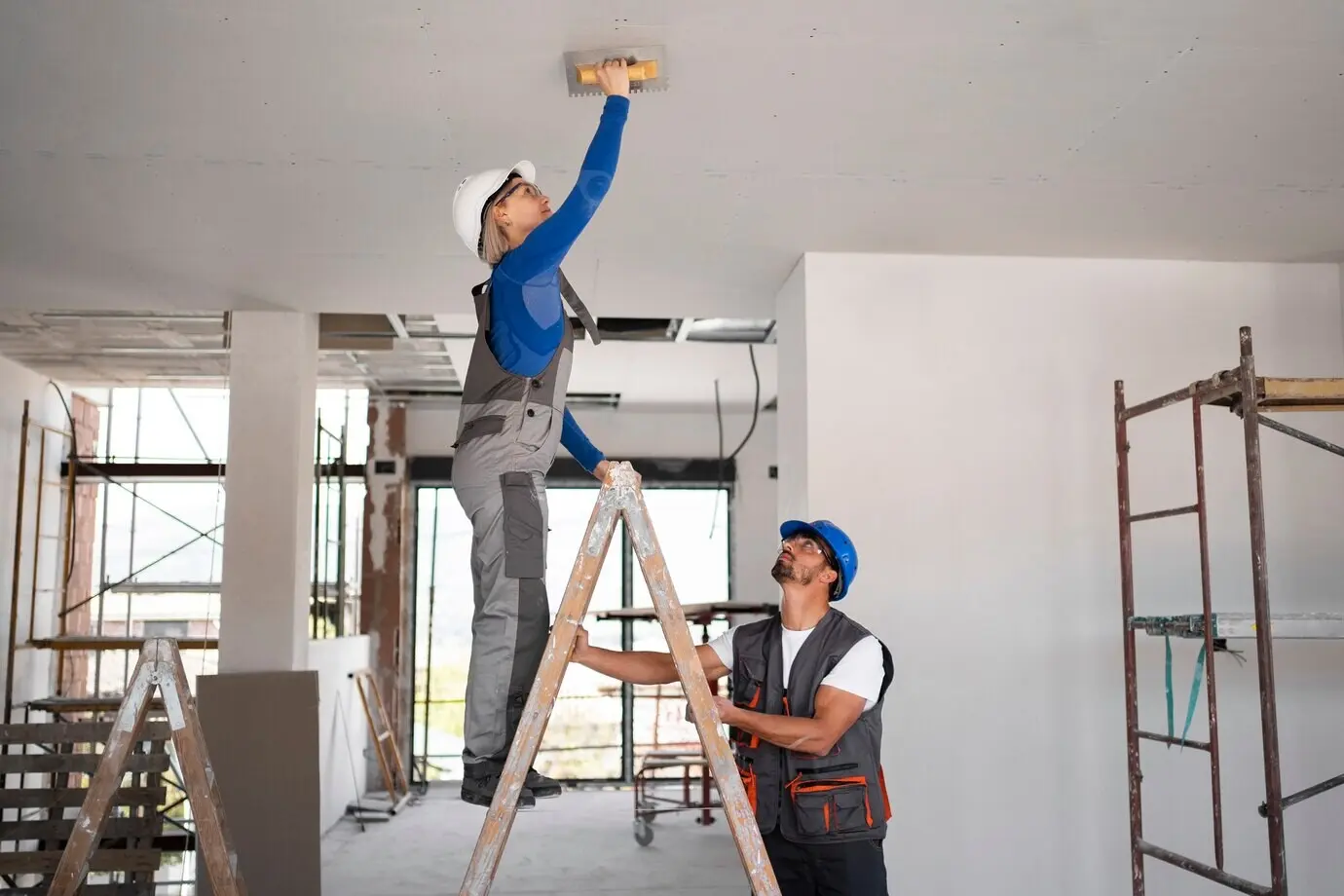


Seamless Power And Low-Voltage Planning
Great concealment begins on paper. Coordinate outlets, drivers, and PoE runs with the architect before wall closures, reserving shadow gaps and service panels where trim detail naturally masks access. Label every cable and leave generous pull strings for future upgrades, avoiding destructive reopenings that compromise plaster finishes and minimal skirting profiles.

Discreet Sensors, Switches, And Interfaces
Specify low-profile sensors that color-match walls, combine functions to reduce wall acne, and favor capacitive touch hidden within millwork over plastic paddles. Where code allows, use multi-function keypads tucked near door jambs. Voice and presence handle most tasks, keeping the room’s composition undisturbed while ensuring accessibility for guests and children without training or manuals.

Automations That Whisper, Not Shout
Build routines that anticipate needs without spectacle: blinds lift with dawn luminance, ventilation increases with CO₂, and corridor lights rise softly at night. Favor gradual transitions and subtle haptics over flashy notifications. The aim is emotional ease, measured by calmer mornings and fewer taps, not the number of scenes displayed on screens.